




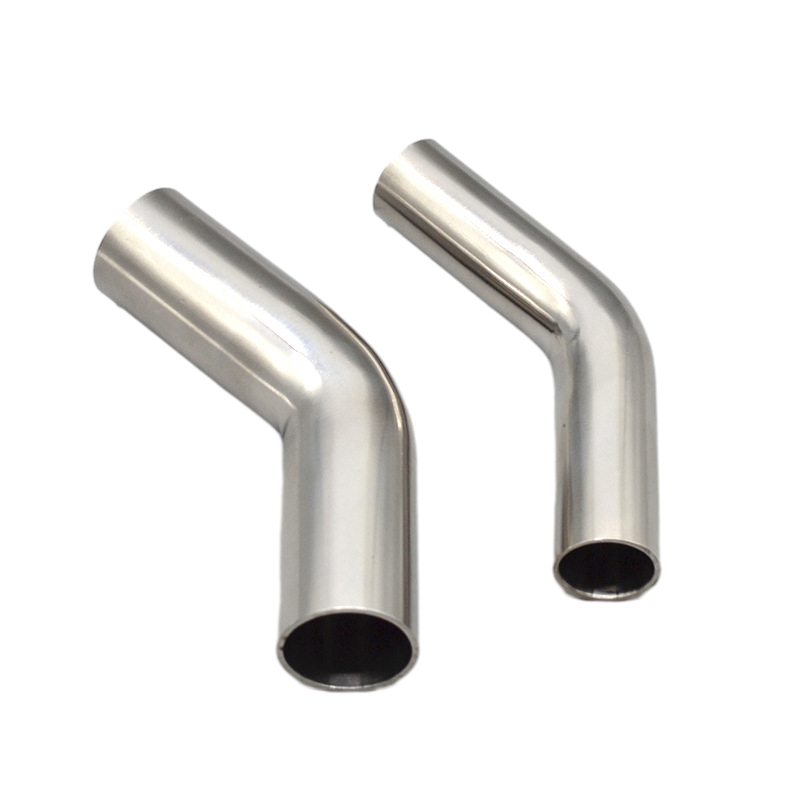
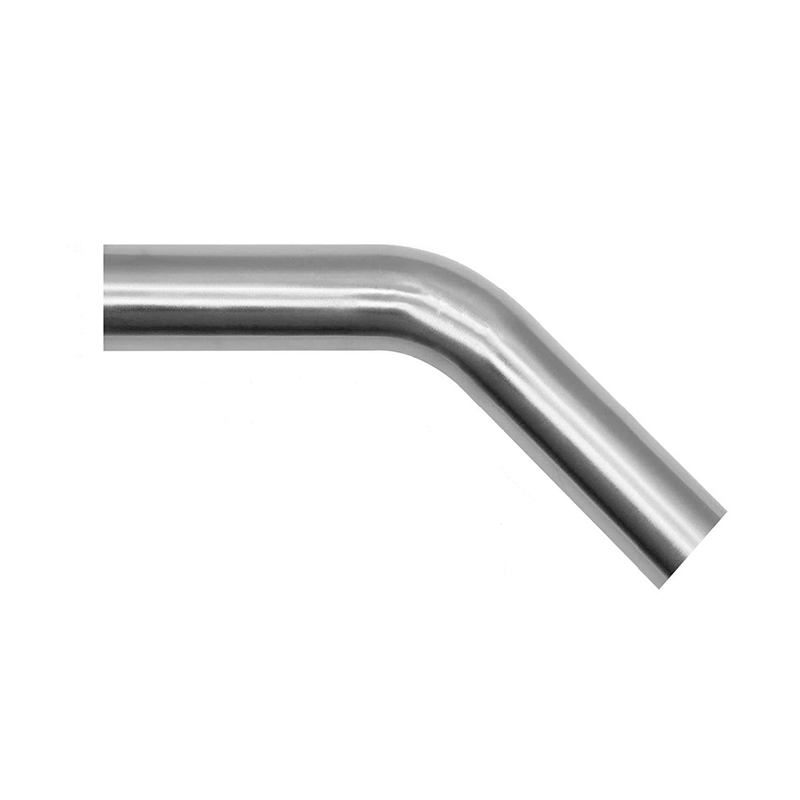
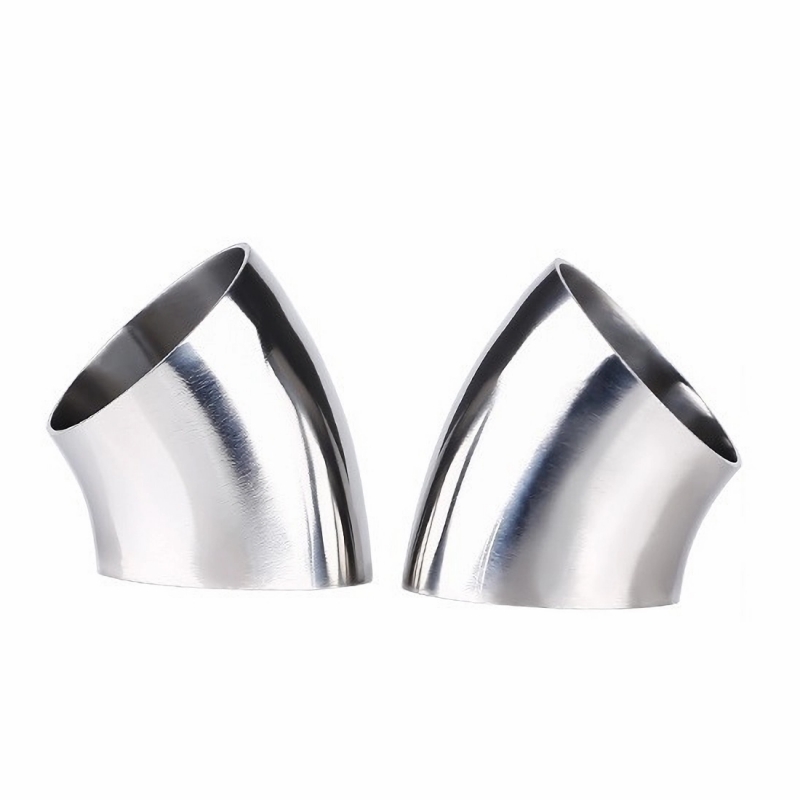
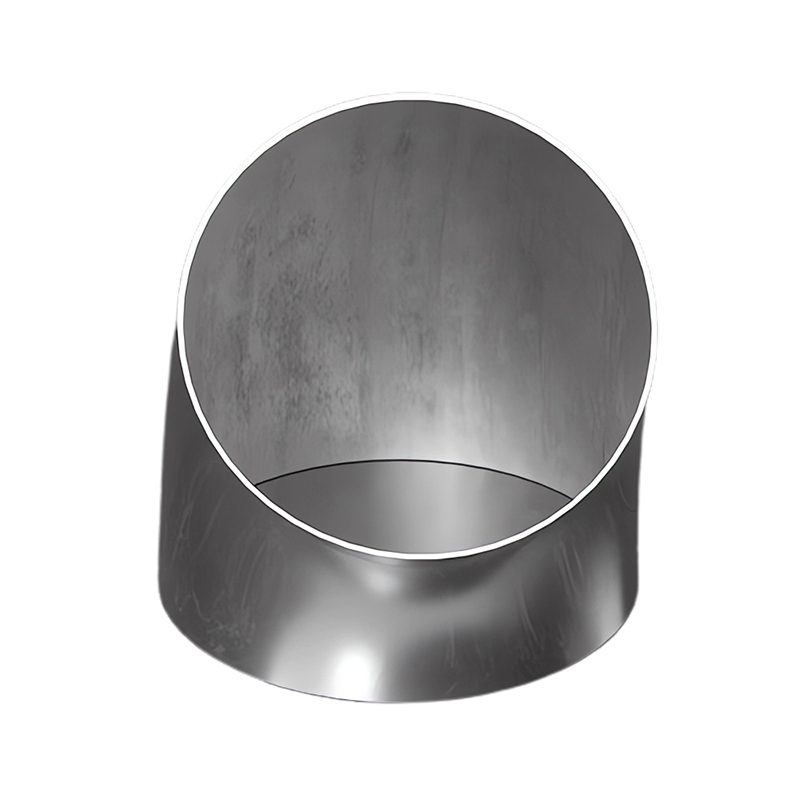
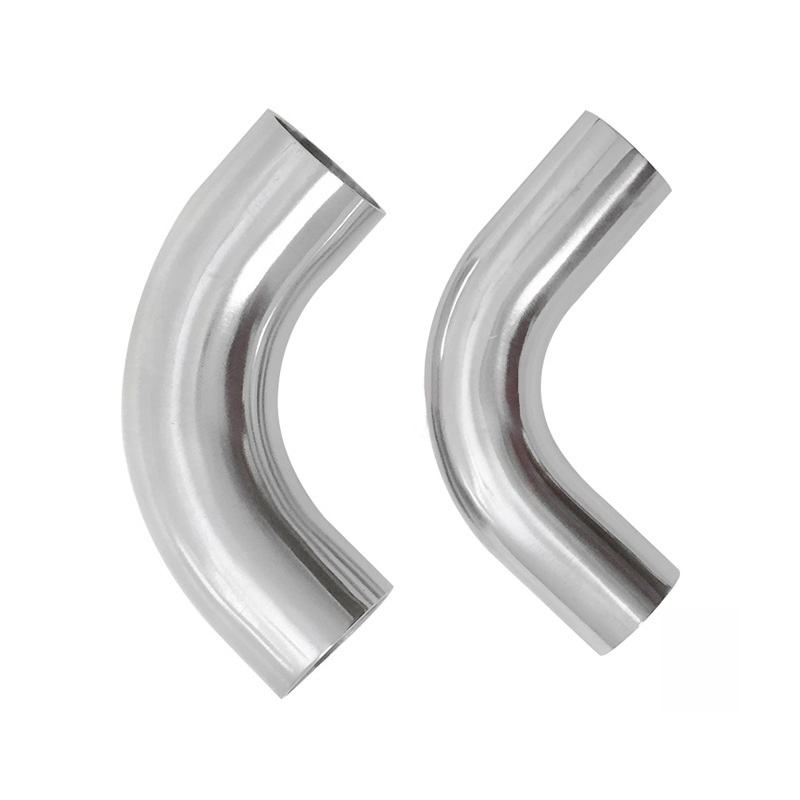
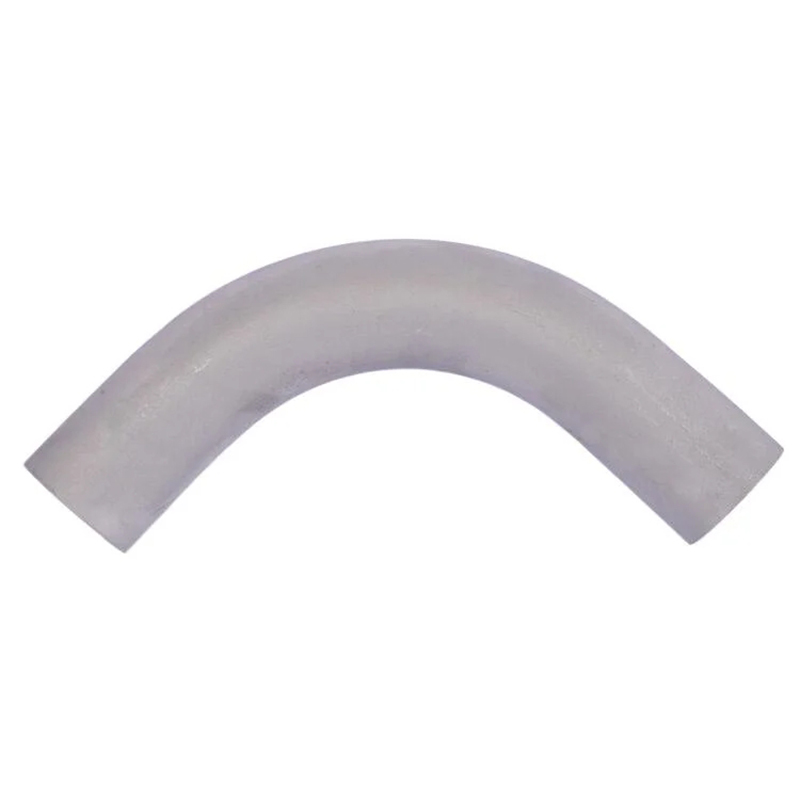
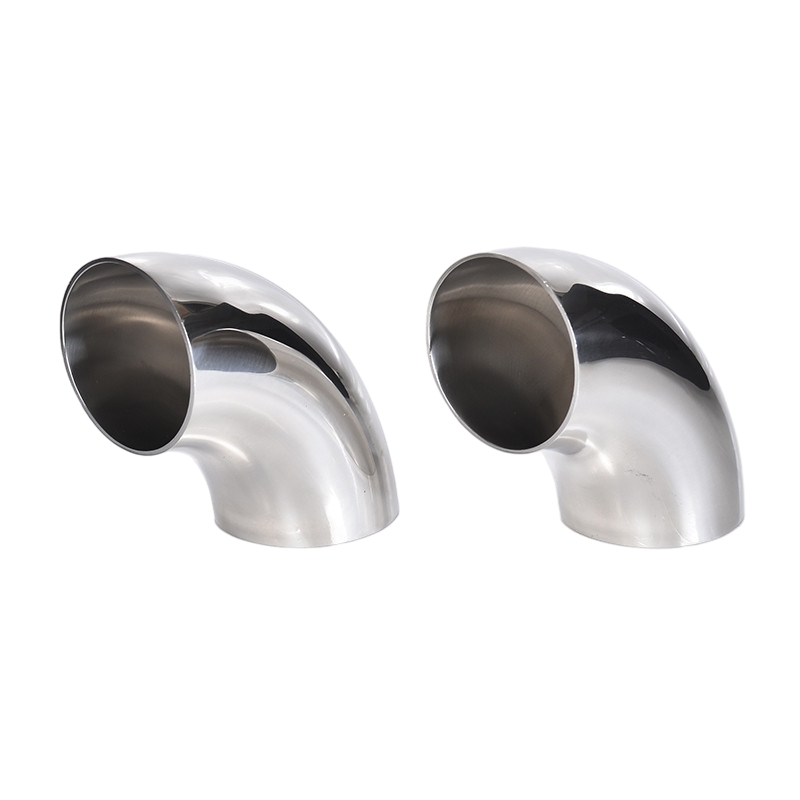
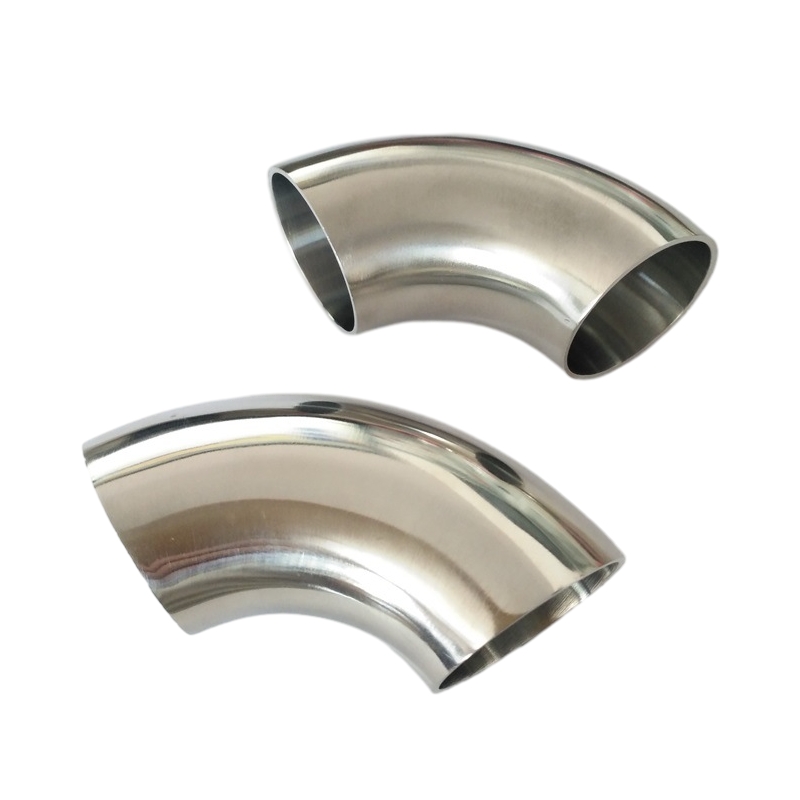
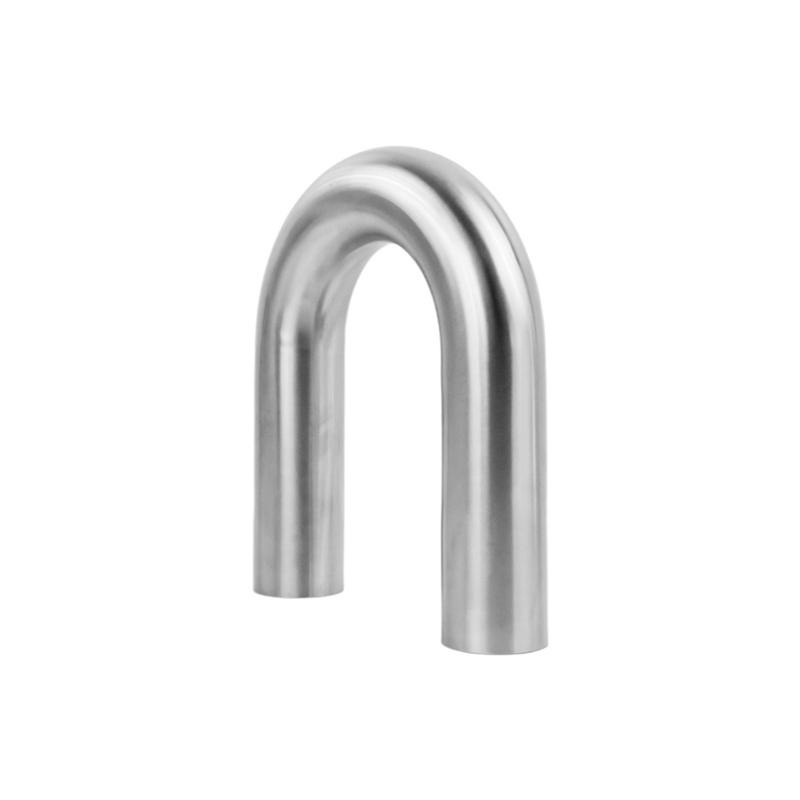
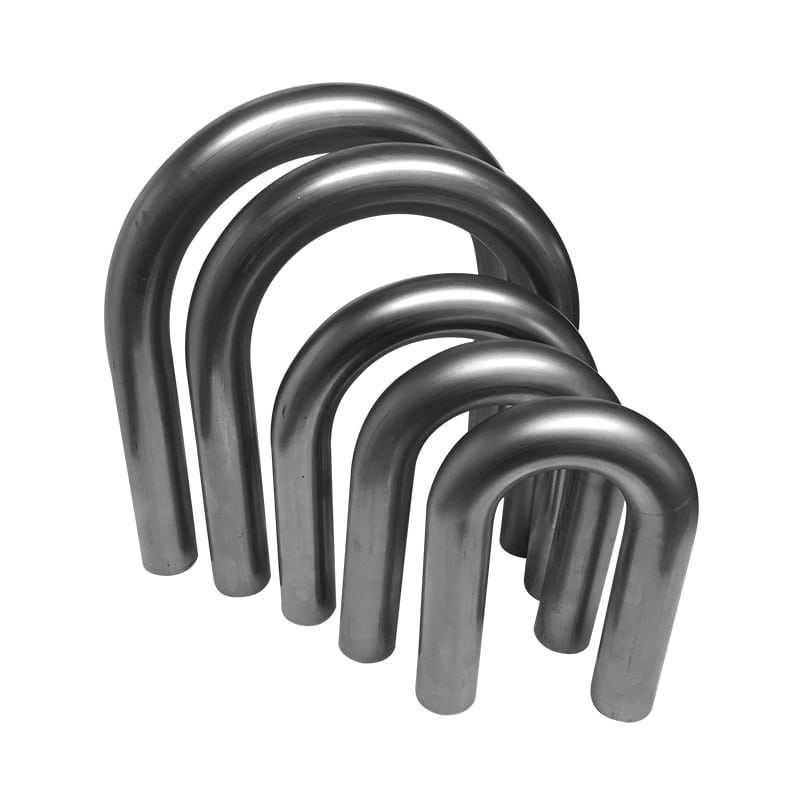
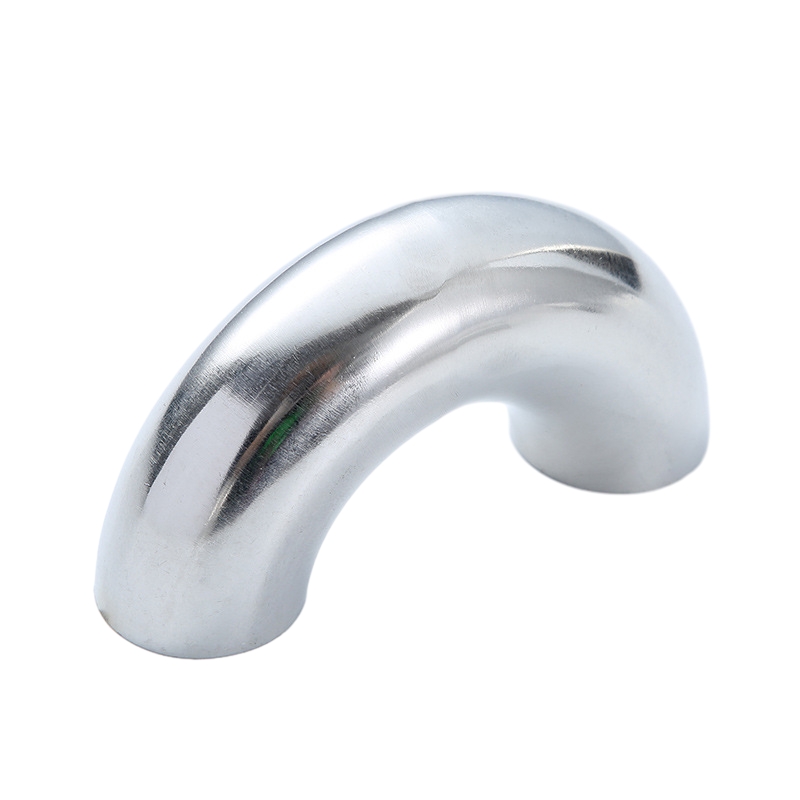
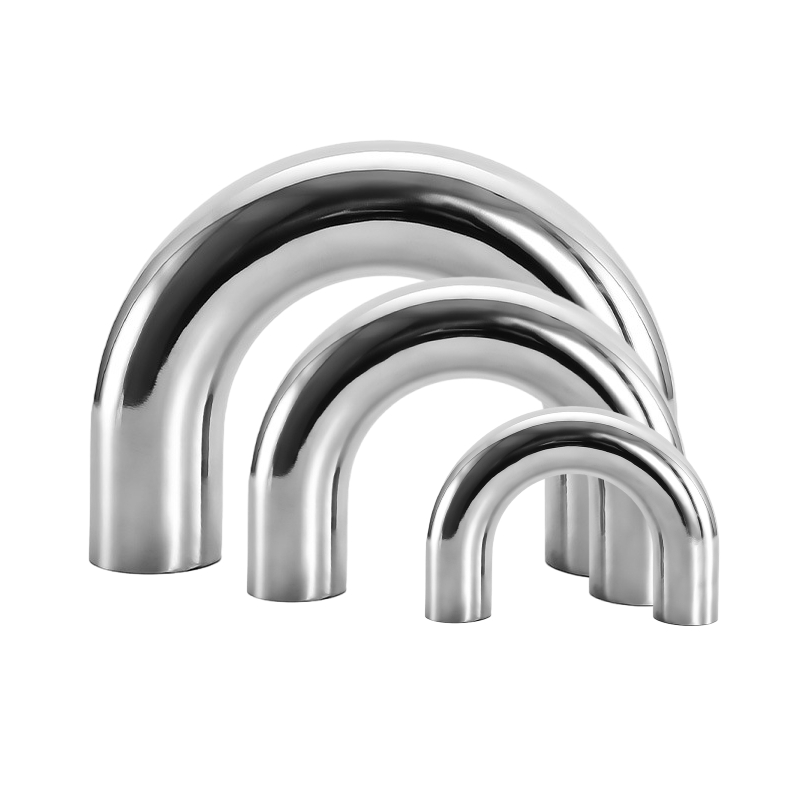
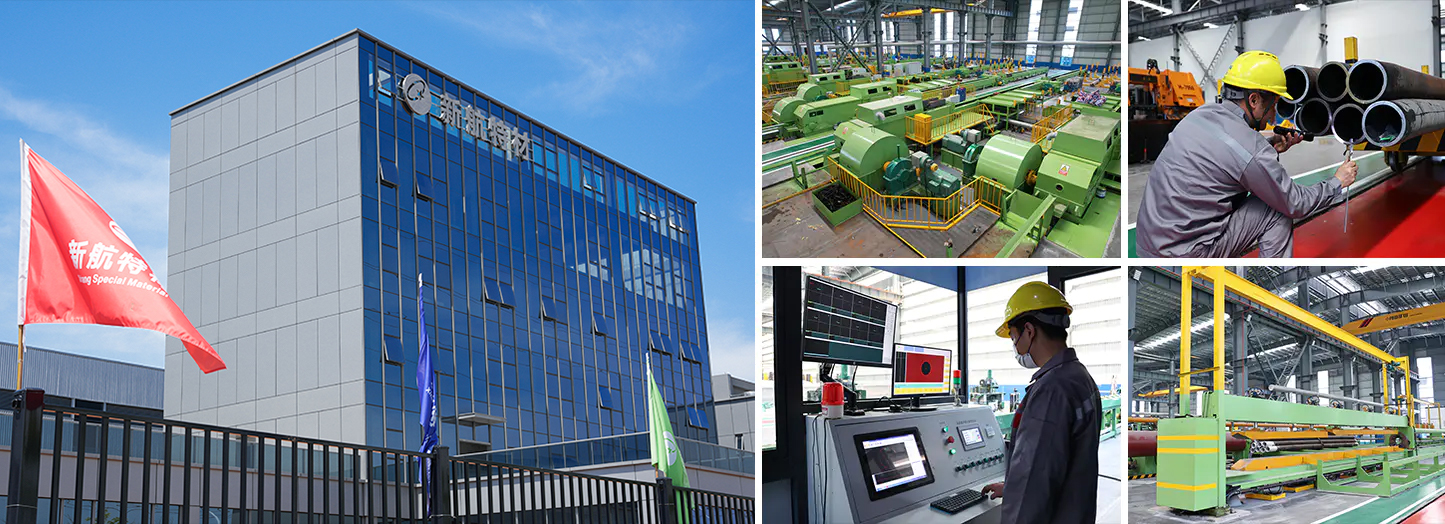

شركة شينهانغ الخاصة للمواد المحدودة is China منحنى الفولاذ المقاوم للصدأ Manufacturers و منحنى الفولاذ المقاوم للصدأ Factoryتأسست في عام 2007 وانتقلت إلى منطقة التنمية الاقتصادية Longyou ، مقاطعة تشجيانغ ، في عام 2022. ويغطي مساحة تبلغ 130،000 متر مربع ، وأكثر من 30 خطًا للإنتاج ، و 300 عامل ، و 20 شخصًا ، و 30 شخصًا تفتيشًا ، وإنتاجًا سنويًا قدره 50000 طن.
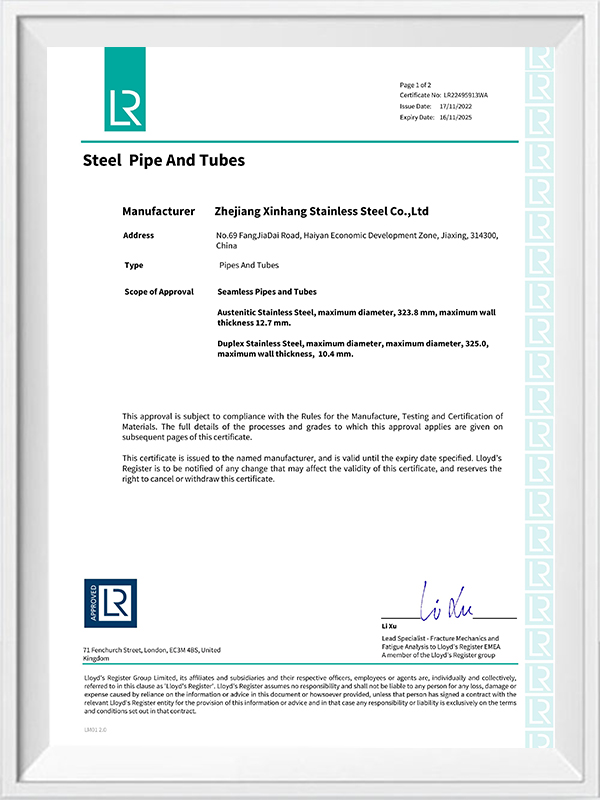
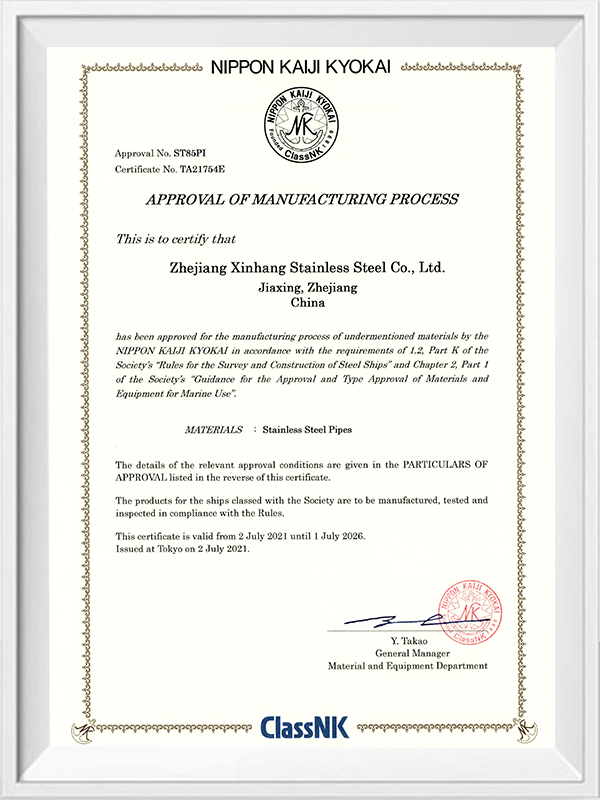
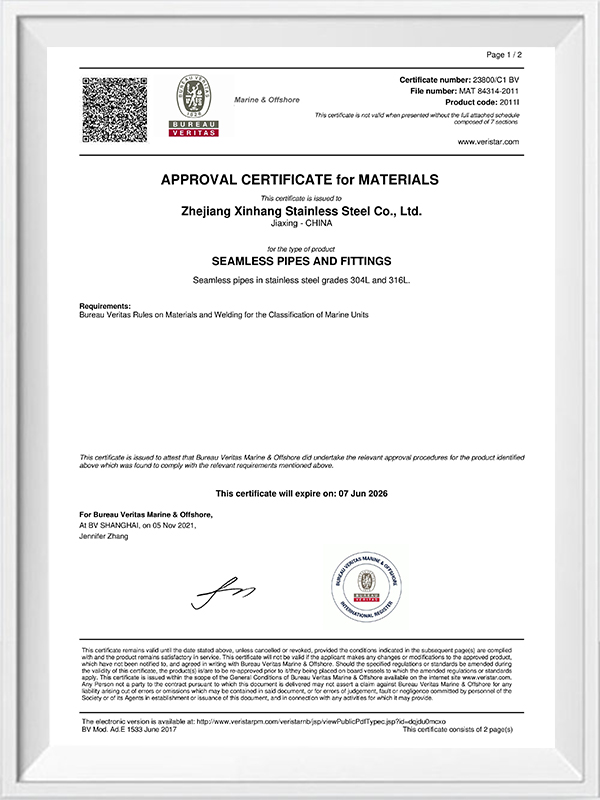
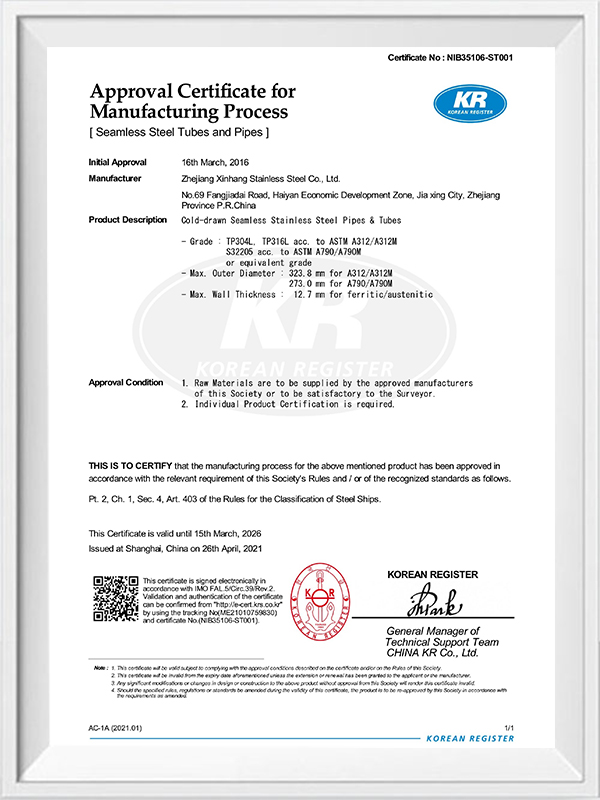
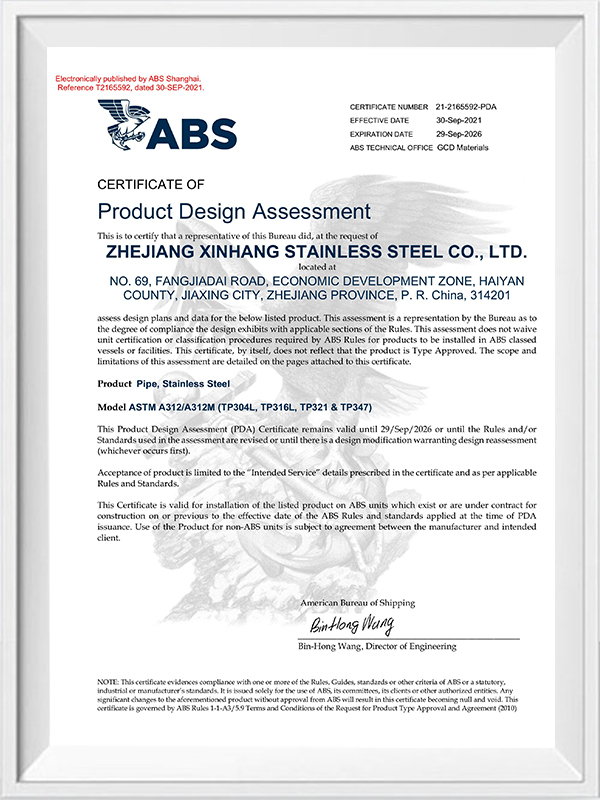
لقد اجتاز نظام إدارة الجودة ISO9001: 2008 ، PED 97/33/EC Eu Eu Eure معدات الضغط ، ترخيص تصنيع المعدات الخاص الصين (أنبوب الضغط) TS ، شهادة ASME ، ومؤسسة الإقليمات ، نظام إدارة التقييم ، (CCS). (LR) ، Deutsche Veritas (GL) ، Bureau Veritas Society (BV) ، Det Norske Veritas (DNV) ، والسجل الكوري لشهادة المصنع للشحن (KR).
تشمل المنتجات الرئيسية أنابيب الفولاذ المقاوم للصدأ ، وتجهيزات الأنابيب ، والشفاه ، والصمامات ، وما إلى ذلك ، والتي تستخدم على نطاق واسع في صناعة البترول ، والصناعة الكيميائية ، والصناعة النووية ، والصهر ، وبناء السفن ، والمستحضرات الصيدلانية ، والغذاء ، وحفظ المياه ، والطاقة الكهربائية ، والمعدات الميكانيكية ، وغيرها من الملاعب. تلتزم الشركة بمقياس الشركات لـ "جودة البقاء على قيد الحياة ، والسمعة من أجل التنمية" ، وتخدم كل عميل بكل إخلاص لإنشاء وضع مربح للجانبين.
ما يهم أكثر عند اختيار موصلات أنابيب الفولاذ المقاوم للصدأ أفضل موصلات أنابيب الفولاذ ال...
عرض المزيدما هي خشونة أنابيب الفولاذ المقاوم للصدأ؟ ال الخشونة المطلقة أنابيب الفولا...
عرض المزيدأفضل طريقة لإغلاق خيوط أنابيب الفولاذ المقاوم للصدأ بشريط لاصق بالنسبة لخيوط NPT المصنوع...
عرض المزيدبالنسبة لمعظم تدفقات المياه والتدفئة والتهوية وتكييف الهواء (HVAC) في أنابيب الفولاذ المقاوم ل...
عرض المزيدأفضل خيار لأداة حرق أنابيب الفولاذ المقاوم للصدأ استخدم أداة حرق دقيقة عالية الرفع ت...
عرض المزيدHow do you select the right stainless steel bend for a specific application based on factors like diameter, wall thickness, and bend radius?
Diameter: The diameter of the stainless steel bend should match the diameter of the piping or tubing it will be connected to. Ensure that the bend's diameter is compatible with the flow requirements of the system. Consider factors such as fluid velocity, pressure drop, and flow restrictions when determining the appropriate diameter.
Wall Thickness: The wall thickness of the stainless steel bend is crucial for structural integrity and resistance to internal pressure. It should be sufficient to withstand the operating conditions of the system, including pressure, temperature, and environmental factors. Consult engineering standards or guidelines to determine the minimum required wall thickness based on the application's specifications.
Bend Radius: The bend radius refers to the curvature of the bend and influences fluid flow, pressure drop, and stress distribution. Choose a bend radius that minimizes flow restriction and pressure drop while maintaining structural integrity. Consider the space constraints and installation requirements of the application when selecting the bend radius.
Material Grade: Select a stainless steel grade that offers the desired mechanical properties, corrosion resistance, and temperature resistance for the application. Common grades include 304, 316, and 316L stainless steel, each with its own characteristics suited for different environments and operating conditions.
Manufacturing Process: Consider the manufacturing process used to produce the stainless steel bend, such as seamless bending or welded bending. Seamless bends typically offer smoother internal surfaces and better flow characteristics, while welded bends may be more cost-effective but could have weld-related issues like corrosion or reduced strength.
How do factors like alloy composition, grade, and surface finish impact the performance and suitability of stainless steel bends for different applications?
Factors such as alloy composition, grade, and surface finish play crucial roles in determining the performance and suitability of stainless steel bends for different applications:
Alloy Composition: The alloy composition of stainless steel determines its chemical makeup and influences its mechanical properties, corrosion resistance, and other characteristics. Common alloying elements include chromium, nickel, molybdenum, and titanium. For example:
Chromium enhances corrosion resistance and oxidation resistance.
Nickel improves ductility, toughness, and resistance to high temperatures.
Molybdenum enhances corrosion resistance, particularly in chloride environments.
Titanium stabilizes the structure of stainless steel at high temperatures and improves weldability.
Grade: Stainless steel is available in various grades, each with specific properties tailored for different applications. The choice of grade depends on factors such as corrosion resistance, strength, temperature resistance, and cost. Common stainless steel grades include:
Austenitic stainless steels (e.g., 304, 316) offer excellent corrosion resistance, formability, and weldability, making them suitable for a wide range of applications, including food processing, pharmaceuticals, and chemical processing.
Ferritic stainless steels (e.g., 430) provide good corrosion resistance and high-temperature strength but may have lower ductility compared to austenitic grades. They are commonly used in automotive exhaust systems, appliances, and architectural applications.
Martensitic stainless steels (e.g., 410, 420) offer high strength and hardness but lower corrosion resistance compared to austenitic and ferritic grades. They are commonly used in applications requiring wear resistance, such as cutlery, surgical instruments, and industrial equipment.
Surface Finish: The surface finish of stainless steel bends affects their appearance, cleanliness, corrosion resistance, and ease of cleaning. Common surface finishes include:
Mill finish: The raw, as-produced surface of stainless steel without any additional treatment. It may have a rough texture and is typically used in applications where appearance is not critical.
Polished finish: The surface is mechanically polished to achieve a smooth, reflective surface. It enhances the aesthetics of stainless steel bends and improves corrosion resistance by reducing surface roughness.
Electropolished finish: The surface is chemically treated to remove surface imperfections and contaminants, resulting in a smooth, passive layer that improves corrosion resistance and cleanability. It is commonly used in pharmaceutical, semiconductor, and food processing industries where cleanliness is essential.
لن نشارك عنوان بريدك الإلكتروني أبدًا
يمكن الانسحاب في أي وقت ، نعد.

متخصص في إنتاج القابل للصدأ
Steel Pipe
No.188 Binkang Road ، Xixing Street ، Binjiang District ، Hangzhou City ، Zhejiang
+86 18969027607
sales@xhxmat.com
Copyright © شركة شينهانغ الخاصة للمواد المحدودة Rights Reserved.
 Wholesale منحنى الفولاذ المقاوم للصدأ Manufacturers